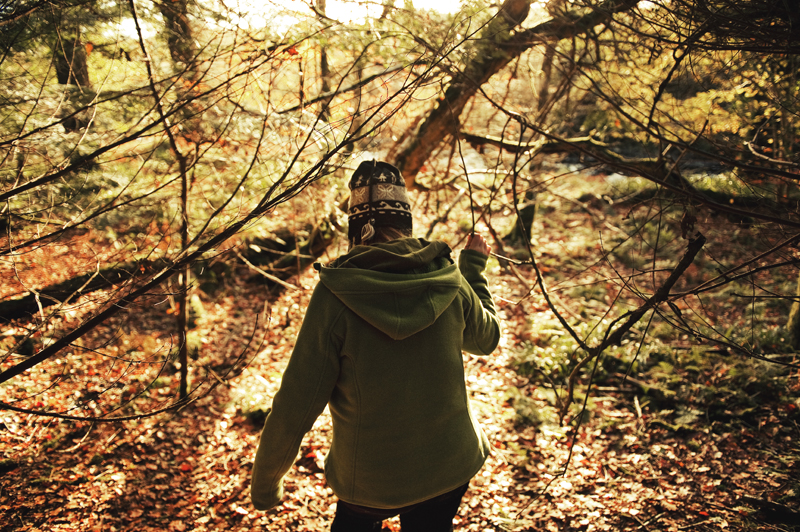
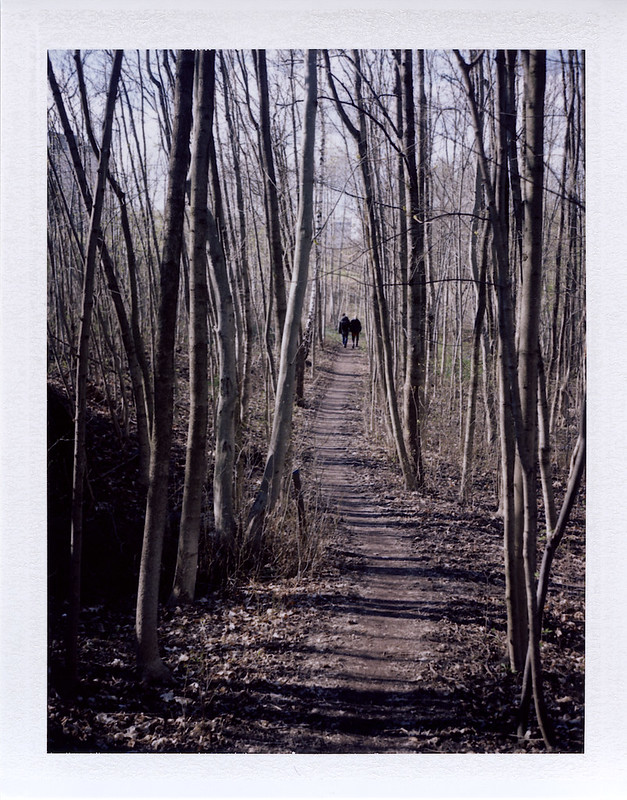
For our location we chose Hargate Forest which is right by Max's house, we visited the forest during the half term, also we are filming in max's bedroom as we can achieve the right amount of light that we want to enhance the antagonists type of character
What was the purpose?
The purpose of visiting Hargate Forest was that when we went on our trip to Wilderness Woods, we felt that we were able to control the amount of light we exposed the camera to whilst filming, we also felt that we liked the setting of the woods, how there were different settings within the Woods itself
What did we do?
When we went to Hargate Forest we took pictures of settings that we particularly liked and where abouts they were so that we knew the rough whereabouts of where the settings were to save time when we eventually go there to film, we also filmed with the camera to see how the our camera reacted to the light and if we could film effectively with it, also filmed in the room with dim lighting to see if we could get a dim greyed colour whilst still being able to pick out mise en scene and characters
What worked?
We were able to control the light to a level that allowed us to pick up images and characters at Hargate Forest, vast settings and variety within the forest, similar to WIlderness Woods
We were able to use our same techniques at Hargate Forest when filming behind Trees to show the antagonistsPOV
What didn't work?
There was still alot of ambient sound, due to outdoor windy conditions and as a result did sound quite loud on the camera
Also the dim lighting in the bedroom worked to a certain extent but some images were not clear and therefore we may need to use enchanced lighting to pick out the detail that we want.
For our film our genreis a physchological horror but throughout the clip the most important prop is the use of the camera, therefore we are trying to find titles that look like they have been captured using a camera.
Here a few of our ideas for font that we researched on 'dafont.com'
For our titles we took some inspiration from the title sequence of (Se7en,Fincher,1995)
We like the idea of having a split screen where two different types of actions are going on
We also like how the titles have a disorientated look and are quite lively in terms of moving around and flipping over juxtaposed to just being static
As a result of The Pitch presentation on friday we were
given the green light as well as also recieving the following feedback from our
peers and teacher:
We recieved good comments from people about our concept of
the film opening and how we are going to include shots from both the
antagonists POV and Protagonists POVwhich shows different angles of the same
scene.
Overall we were not given too much feedback in terms of
critisism from our peers, but we concluded that this was due to our concept
being confusing and quite complicated to visualise from someone explaining it
which resulted in people not fully understanding what was happening during the
different clips.
We will have to ensure that whislt we are filming the
different parts to the film we make sure that it is easy for the audience to
understand the storyline and that it does not cause confusion or cause the
opening scene to be boring and loose the audiences attention.
We were also told that we would need to go to our location
recci and test out our camera to see if we could get the right level of
lighting to suit our genre as well as to see if it allows us to show the scene
fully.
We also need to decide on the characters that we are going
to pick for the film as we need a female to act as the protagonist and an male
to play the antagonist.
Here we have chosen some of our favourite shots from our wilderness woods trip that we feel are both interesting and show the scene from good perspectives.
One of our favourite shots was using a pull focus to draw the audiences attention back and forth from the background to the foreground.
The four screen shots below all show how we have uses the cameras focus to shift the viewers attention from the background to the foreground and visa versa, we both feel that this technique is very effective.
Other shots that we liked we shots which are partially blocked by objects but still allow the viewer to see what is happening in the scene, we felt that shots like this make scenes more interesting and appealing.
We like the look of close up shots on Henry's feet which can be used to show the protagonist or antagonist moving or in a chase scene.
Other shots that we liked were shots from the protagonists POV such a hidden shots showing the protagonist behind an object like a tree and using the focus to draw the audiences attention to the antagonist.
Finally we liked the use of over the shoulder shots showing an antagonists perspective of the scene .
Soundtrack: Eerie soundtrack plays after the establishing shot tracking along the girls arm with the camera laing on the floor(out of focus) Titles:
Beginning
Shot: Close Up
Mise en scene: single shot showing incoming shadow of antagonist clubbing a girl wearing a hoodie and jeans with something.
Girl falling on the ground with camera in her hand in slow motion out of focus.
Titles appear in focus through the out of focus scene revealing a small proportion of the location.
Low angle shot still showing the girls arm with a slow pull focus revealing an incoming blow from the antagonist.
Low angle shot of man taking picture of the girl shot in long shot and from POV.
Mise en scene: Long shot of the girl dressed in a hoodie and jeans showing her laying defenceless with her bag scattered
Middle
Shot: Close ups and POV shot
Mise en scene: Antagonist walking back to a house, whislt montages are shown of the girl being followed by the antagonist, as the antagonists imagination
Mise en scene: No identity of the antagonist is given to add suspense and increase the audiences curiosity as to who the antagonist is
antagonist is shown going upstairs to room in dim lighting, hangs up a picture of the woman on wall next to other pictures of her that he has previously taken all shot in extreme close up.
The antagonist crosses out the picture of the woman with surrounded by blood.
clips of the woman are shown in montage form with fast cutting rates and multiple layers of visuals to create a sense of confusion.
Montage is frequently interrupted by short clips of the girl being watched/followed from the antagonists POV shot in long shot.
End Shot: Extreme close up POV Mise en scene:shot of antagonist putting up a picture of his next victim next to the previous victims which have been crossed out.
Shot:Long Shot and is Establishing Shot
Duration:8 Seconds
Mise en scene:Shows a man lying down in his bed with the lamp light on
Shot:Close up at a low angle shot
Duration:6 Seconds
Mise en scene:Man puts his glasses on the desk and flicks what looks like an old fashioned clock
Shot:Long Shot zooming to character in mid shot
Duration:10 Seconds
Mise en scene:Man is still lying in bed awake whilst clock is ticking- builds more tension
Shot:Mid Shot zooming into Close up
Duration:4 Seconds
Mise en scene:Shot of clock ticking again but this time is much more apparent
Shot:Mid Shot zooming into Close up
Duration:5 Seconds
Mise en scene:Man is sleeping whilst tossling his head , noise of talking in the backhground, the preferred reading of this is that the man is having a dream/nightmare
Shot:Close up zooming into Extreme Close up
Duration:6 Seconds
Mise en scene:Clock is still ticking and there is still the sound of people talking in the background further reinforces the fact that the man is having a dream/nightmare
Transition: Fade to Black
Duration:2 Seconds
What does it tell us?: That we are viewing the film from the characters dream/nightmare
Mise en scene:Sound of thunder & lightening continues through the transition
Shot:Extreme Close up
Duration:5 Seconds
Mise en scene:Book with hand out of focus in the background turning the pages of the book
Shot:Extreme Close up at Eye Line shot
Duration:2 Seconds
Mise en scene:What appears to be a man with badly conditioned fingers is cutting his nails with a razor cutter
From 0:48-2:56 there is a very fast cutting rate used and is shown as a montage of events and actions, not everything seems clear and certain shots and images are distorted and doesnt give the audience a clear image of whats going on
After every 2 seconds of a few montages the titles of the film appear with a fade to black transition to add continuity, this also enables the producer to be able to use a matched cut and show a few montage shots from a different location
All the montage shots are shot in Close Up to add emphasis to the particular image for example 1:38-1:40 the close up of the closing page added with slow motion empahsises this shot
From 2:03-2:05 split screen editing is used, with a contrast of colours, red dark colour juxtaposed with the light white colour of paper in the bottom screen
Shot:Long shot of city buildings
Duration:4 seconds
Mise en Scene: Shot of city with title saying 'Monday'
Shot:Mid Shot of couple sleeping Still shot
Duration:19 seconds
Mise en scene:Couple are sleeping with the man rubbing his hand over the woman's shoulder, he checks his watch and then gets out of bed whilst leaving the woman sleeping
How many layers of sound are there? How does it help establish an enigma / create dramatic tension?
During the course of the clip when the dream/nightmare is occuring there are two layers of sound
There is the soundtrack playing which creates an eerrie mood, the soundtrack and is also at quite a fast tempo which reinforces the fact that the movie is a thriller
There is also non-digetic sound of pens scratching which are made more apparent to emphasize the action
What have you learnt from this technical analysis?
I have learnt how techniques such as montage editing and fast cutting rates can disorientate visuals on the screen but in a way that still immerses the audience
I have also learnt how effective the use of a soundtrack or beat is to deliver to the audience what mood you (the producer) is trying to convey
Shot by shot analysis of a film opening which investigates camera shots,shot duration and mise-en scene.
Shot: shot establishing the scene,slow panning mid shot using the rule of thirds Duration: 4 seconds Mise-en scene: young woman in a dark house
Shot: close up of the woman's face shot at eye level Duration: 7 seconds Mise-en scene: the close up depicts her scared and cautious non-verbal body language
Shot: point of view shot used to show the living room shot in long shot using the rule of thirds Duration: 9 seconds Mise-en scene: television screen showing fuzzy static
Shot: mid shot showing the girl 'protagonist' moving in towards the camera Duration: 6 seconds Mise-en scene: re-enforcing shot 2 this further shows her fearful facial expression
Shot: close up of the remote on the sofa, shot reverse shot to the girl framed in mid shot and then to the television Duration: 6 seconds Mise-en scene: television switches off
Shot: mid shot pans out to long shot as the protagonist walks towards the kitchen. camera zooms in to show her face in close up Duration: 23 seconds Mise-en scene: television turns back on, shown thorough the kitchen window. close up used to show girls reaction
Shot: close up on protagonists face. wipe pan showing the kitchen windows Duration: 8 seconds Mise-en scene: low lighting, creates a scary and anxious atmosphere
Shot: point of view shot as the girl watches the fridge open Duration: 3 seconds Mise-en scene: the movement of the door draws the girl into the kitchen to see what is happening
Shot: close up on fridge door Duration: 14 seconds Mise-en scene: shows the protagonist running and quickly shutting the door and coming into view with the background out of focus , noise causes her attention to shift and so does the camera focus as the hallway behind her becomes more in focus and sharper
Shot: establishing shot used to show the new location change as the protagonist walks from behind the wall into the frame shot in long shot Duration: 18 seconds Mise-en scene: she shows her panic and vulnerability through verbal dialogue
Shot: low angle shot shows the girl at the top of the staircase Duration: 21 seconds Mise-en scene: water on the floor boards out side the room, the protagonist walks through the water as she moves closer to the camera
Shot: close up of the protagonists face as she opens the door Duration: 6 seconds Mise-en scene: she moves forward precariously
Shot: close up of the handle as she opens the bathroom door Duration: 1 second Mise-en scene: shows water dripping from the door handle
Shot: very fast shot zooming into the protagonists face as she enters the room Duration: 5 seconds Mise-en scene: the television shows an image of a face which is to quick for the viewer to see properly, the woman appears to be very frightened and petrified. A large number of clips shown in a montage form is shown before fading to a television screen showing static as before
Film soundtrack
The clip does not have a soundtrack which backs the visuals as silence is the key in making the film appear more natural and to create fear and tension so the audience feels as if they were in the house alone with no distractions from a non diagetic soundtrack.
The clip contains various different sounds which complement the visuals and have been amplified to make them more noticeable which further increases the tension and suspense, these sounds are one such as the static from the television and creaking floor boards which both create suspense for the viewer.
The only section of the opening which includes non-diagetic sound is the ending which includes multiple different sounds which disorientates and confuses the viewer along with the very fast cutting rate of the montage which includes abnormal images to further scare the audience.
Skills learnt from the technical analysis?
I feel that techniques like the static screen which are repeatedly shown are very good at capturing the audiences attention because of the high pitched sound and because it is something that most audience members will have experienced beforehand so they can relate it to real life situations making it more believable and effective at creating tension and fear.
I also liked the technique when the girl was filmed shutting the fridge door in close up with the background out of focus. A pull focus is then used to create audience anticipation and tension as the back ground starts to become in focus as to reveal something along with a metallic sound that complements this.
Continuity editing: varying distances and angles,pans, Steadicam,Handicam,cutaways
180 degree rule ensures the correct perspective,shot reverse shot,over the shoulder shot,when could you break this rule and stop the audience becoming disorientated
Two lines of dialogue: consider diegetic sound,conventional of genre, part of narrative
opening door,framing,close up shot
1. From taking part in this task we learnt the basic techniques involved with using the cameras , we further improved our knowledge of different camera shots and continuity editing. I feel that our best shots are the shot when the boy is followed by the camera across the zebra crossing that matches his pace rather than a static shot and the two shots joined together of the same boy opening and walking thorough the door at the top of the stairs. One difficulty that we did experience was the changes in weather as our first filming session it was snowing.
2. The software that we used to edit our production was Premiere Elements 9.0. This software took a short while to learn and use efficiently but after a lesson spent using it both of us in the group were confident in using it.The software allowed us to cut and trim clips and put them together to create realistic continuity .
3. Overall we though that for a first attempt that our preliminary task was a success and that we had used the cameras well in filming different and effective camera shots.We felt that we had successfully created continuity but that given more time we would have created a more realistic and thought out ending as well as taking more care to control ambient sound levels.
Here is our preliminary task that we filmed and edited at school:
During the course of the lesson from watching what other groups from previous years had produced for film openings, we decided that our film genre would be a phycoloigcal horror
We found inspiration from the film (Sinister, Derrickson, 2012)
We liked the plot of the horror being about a family moving into a new home and finding a recording of footage about a previous family who lived there
Liked the fact that the film isn't overpowered with blood and gore and is focused on mind games and letting the audiences mind take hold
Also thought that the location of the film is key e.g where the dad finds the box with the recordings in the loft abandoned on its own which makes the audience automatically associate's it as being suspicious, this could be easily re-created in a different location and still have the same impact on the audience as being significant
Soundtrack/ Synchronous sound-When James Bond spots one of the actors, action like music starts, this reinforces the audience that something is going to happen
Selective sound-Sound of the gunfire when fired is amplified
Digetic Sound-Sound of crowd when watching cricket adds versimiltude to scene as if at a real match
TechniquesEDITING:
Matched Cut-Used throughout scene to show different locations e.g juxtaposition between cricket field and action scene in the bathroom
Fast Cutting rate-Used in the scene of action in the bathroom makes action seem much faster
Shot reverse shot-When James Bond and antagonist are talking to each other reinforces the heated discussion between the two
TechniquesCAMERA:
Close ups
Mid Shot
Long shots
Over the shoulder shot-When the guy from the stairs is looking at James Bond at the entrance 2:22
Harry Potter and The Half-Blood Prince (Yates,2009)
TechniquesSOUND:
Synchorous sound-Used to convey the content on the screen, a quite dark mood
Sound effects-Sound of man crying with pain in the background further emphasizes the dark mood of the scene
Sound effects-Sound of explosion in building used to add verisiimilitude of the action
Selective sound-Emphasize of sound of camera used to show weakness of character
Non-diagetic sound-Sound of public people screaming when building explodes, further emphasizes the action
Soundtrack-An emotional piece of music at the start, connotes to the reader that something significant has happened
TechniquesEDITING:
Slow Motion-Used to further reinforce beginning scene as a significant event
Cross Cut-Used to show juxtaposition between different locations e.g world of muggles and wizards
Matched Cut-Used when people are on the footbridge, intial shot show them calm, next shot after the bridge has been under attack shows them in panic and disarray
Slow cutting rate-This is used throughout the scene and allows the audience to absorb the action that is going on
TechniquesCAMERA:
POV-Shot is used the put the audience in the perspective of the characters e.g. when the dementors are flying through the streets of London
Extreme Close up-Shot of character, allows the audience to connect and build a relationship with the character
Panning shot-Used to show the audience a location whilst what is happening on around it e.g when the dementors are attacking the footbridge
Mid Shot-Used to show the the workers when they are trying to run away from the collapsing footbridge
Steadicam - create a smooth shot flollowing or moving around a target
Panning shots(up/across)-draw attention to the subject and clearly show mise en scene' emphasizing character
Pull focus-shift the viewers attention from one subject to another i.e from movement in the background to the foreground as seen at 1:23 - 1:26 in the clip
Birds eye view(s)-shows the whole set and establishes the characters whereabouts within the location being filmed as well as showing a wider view of the location.
Techniques EDITING:
Continuity editing-Shows resemblance between different shots and reduces how noticeable a shot change is when watched by the viewer making it appear seamless.
Credits- Added in after the clip was filmed and used to show the genre as well as the films participants with the use of different typefaces
Matched cuts-Shows different angles of the same shot to give the viewer an alternative perspective
Slow motion- emphasis action and creates tension giving the viewer more time to watch the content and analyse it in detail
Techniques SOUND:
Non-diagetic(added in after filming)
Dramatic music -creates tension and suspense for the viewer when watching the clip
Loud vampire sound- emphasizes the visuals of the woman attacking the man
Screaming- this further emphasizes the panic and chaos caused by the woman along with the visuals of the birds eye view showing the people scattering
SAVING PRIVATE RYAN
Techniques SOUND:
sound perspective-the impression of distance in sound,created by the use of selective sound.
synchronous sound-this matches the action on screen further emphasizing what is happening and making it appear more realistic.
sound bridge-adds to the overall continuity of the clip by running sound seamlessly from shot to shot to make the action seem uninterrupted .
sound effects-extra sound added in after filming i.e the sound of falling bombs and bullets ricocheting.
selective sound-this makes some sounds more recognizable than others to draw attention or to create tension or emotion.
breaking waves
sound engines
gunfire
vomiting
whistles
ricochet
explosions
dialogue
shouting
Techniques EDITING:
expansion of time-slows time down making short scenes appear much longer to the viewer
continuity editing-makes different shots appear seamless when it changes to a different angle reducing disruption to the flow of the film
medium cutting rate - dependent on the scene being filmed the cutting rate can be increased to create confusion or emphasize panic
matched cuts- different angles of the same shot to show alternative perspectives to the viewer
slow motion- slows the scene down to give the viewer more time to process the information in detail
Continuity editing: varying distances and angles,pans, Steadicam,Handicam,cutaways
180 degree rule ensures the correct perspective,shot reverse shot,over the shoulder shot,when could you break this rule and stop the audience becoming disorientated
Two lines of dialogue: consider diegetic sound,conventional of genre, part of narrative
opening door,framing,close up shot
Ideas:
For our preliminary task we came up with the idea of a Thriller drama involving a young man in a classroom intoxicated by drugs.
Plot:
Young man in classroom has a disorientated nightmare/daydream and is hallucinating after taking the drugs
He is absorbed in a daydream of himself attempting to escape other drug users who are influencing him into taking them
The boy is in perilous and vulnerable position as he becomes scared within his own dream
Storyboard:
Our 4 main shots consist of a long shot, close up, POV and Reaction shot
Long shot is used to show young man intoxicated by drugs reacting in abnormal way juxtaposed to the rest of the students interacting with each other
Close up is used to show the expression on the young mans face whilst he is experiancing a nightmare
POV shot is used to show the young man not entirely in control of his body as he walks in a disjointed manner and adds verimisimilitude
Reaction shot is used to reinforce to the audience particular and significant scenes that are happening in the young man's nightmare...


 What didn't work?